top

Category Archives: News

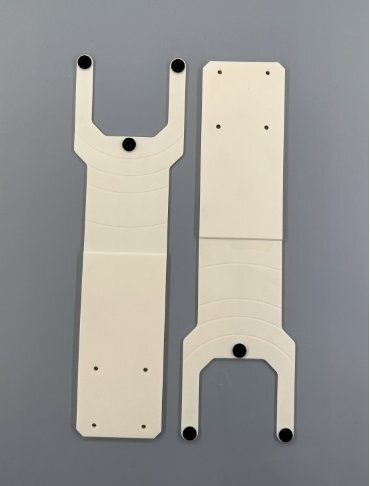
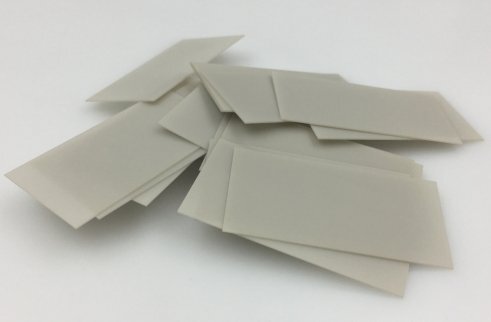
Silicon Nitride Ceramic Substrate: A Blue Ocean For Future High-Performance Power Module Designers

With the significant improvement of the integration and power density of the third-generation semiconductor SiC power devices, the corresponding heat generated during operation has sharply increased. Therefore, the heat dissipation problem of electronic packaging systems has become a key factor affecting their performance and lifespan. To effectively solve the heat dissipation problem of devices, it is necessary to choose high thermal conductivity substrate materials.

According to statistics, the failure rate of high-power devices caused by heat is as high as 55%. Moreover, in fields such as new energy vehicles and modern transportation tracks, complex application conditions such as bumps and vibrations need to be considered during the use of high-power devices, which puts higher demands on the mechanical properties and reliability of materials such as substrates. Silicon nitride performs best in terms of comprehensive performance, which is undoubtedly a very ideal substrate material with good heat dissipation performance.

Silicon nitride, the “full mark” material in the heat dissipation substrate

1. Full score for comprehensive performance
Compared to other materials, ceramic substrates have better performance, so choosing ceramic materials as substrates will have broader prospects. At present, the main ceramic materials that can be used as substrates include AlN, Al2O3, SiC, Si3N4, etc. Although ceramic substrates have high thermal conductivity and low dielectric constant, their powders are toxic and harmful to health, and are currently rarely used. SiC has stable properties, but its dielectric loss is high and its breakdown voltage is low, making it unsuitable for high-voltage working environments. Al2O3 ceramic substrates have the longest and most mature application history, but due to their low theoretical and practical thermal conductivity, they cannot meet the heat dissipation requirements of large circuits and can only be used in small circuits. Compared to AlN ceramics, AlN ceramics have the characteristics of high thermal conductivity, good insulation, and low dielectric constant. However, AlN also has shortcomings that cannot be ignored, including easy hydrolysis of the material, insufficient strength and toughness, and fragility. Therefore, there is an urgent need for a more stable ceramic material to compensate for the limitations of AlN.

Material performance comparison

Compared with other materials, silicon nitride ceramics are recognized as the preferred material for high thermal conductivity ceramic substrates due to their high thermal conductivity (the thermal conductivity of their crystals can reach up to 320W · m-1 · K-1), low dielectric constant, non-toxicity, and matching thermal expansion coefficient with single crystal Si.

2. Demand trend “plus points”
With the increasing demand for performance, alumina (Al2O3) or aluminum nitride (AlN) ceramic materials are no longer outstanding in power templates, and more and more designers are considering using advanced substrate materials to replace them. For example, in the application of new energy vehicles (xEVs), when the chip temperature rises from 150 ° C to 200 ° C, its switching loss will be reduced by 10%. In addition, new packaging technologies such as welding and lead-free modules also place higher demands on materials.
Increasing the service life in harsh environments is also another driving factor for ceramic material iteration. For example, wind turbines have an expected service life of 15 years under all environmental conditions, during which they will not malfunction. Therefore, designers of wind turbines are also attempting to improve substrate technology. The third driving force for improving substrate products is the use of silicon carbide components (SiC). Compared with traditional modules, the first batch of modules using silicon carbide and optimized packaging technology reduced losses by 40% to 70%, but the latter requires the use of new packaging methods such as silicon nitride (Si3N4) substrates. The above trends will limit the future use of traditional aluminum oxide and aluminum nitride substrates, while silicon nitride based substrates will become the best choice for high-performance power module designers in the future.

Solving the Problem of Mass Production of High Performance Silicon Nitride Substrates

Although silicon nitride ceramic substrates are recognized as the best heat dissipation substrates with comprehensive performance, there are two thorny challenges that need to be solved in actual production, namely achieving “high thermal conductivity” and “sustained and stable mass production”.
To achieve “high thermal conductivity”, high-quality silicon nitride powder and scientific and advanced preparation technology are indispensable. In terms of raw materials, high-quality silicon nitride powder ensures the “excellent gene” of silicon nitride substrate at the source. The particle size, purity, and phase of the raw material powder are key factors affecting the mechanical properties and thermal conductivity of high thermal conductivity silicon nitride ceramics. Internal impurities and lattice defects can hinder the improvement of thermal conductivity of silicon nitride ceramics, so it is necessary to choose high-purity and high silicon nitride raw materials. In addition, the morphology of raw material powders is also very important. Powders with small initial particle size, large specific surface area, and “self formed” crystals have good sintering activity, making it easy to prepare high-density finished products.
For silicon nitride substrates, continuous and stable mass production is an industry challenge. It requires stable processes that can ensure that the substrate avoids warping, cracking, and other phenomena, as well as efficient continuous operations.

Market Prospects for Silicon Nitride Ceramic Substrates

With the rapid promotion of third-generation semiconductor chips based on SiC in new energy vehicles and 5G, the demand for silicon nitride ceramic substrates has also entered a rapid development stage. It is predicted that the global annual sales volume of electric vehicles will exceed 25 million in 2025. The proportion of SiC power devices is based on 37% of the estimated data from multiple investment institutions, and the existing Si3N4 ceramic substrate for electric vehicles is used as a standard chip (7.5 × Based on the usage of 2 standard pieces per vehicle for large vehicles such as buses, the global annual demand for high thermal conductivity silicon nitride substrates in 2025 is approximately 600000 square meters.
This is only a market forecast in the field of new energy vehicles. In addition, the demand for high-performance silicon nitride ceramic substrates in fields such as charging systems and LEDs is also rapidly increasing.

Conclusion

With the rapid development of electric vehicles and high-power electronic power devices, Si3N4 ceramic substrates will inevitably face huge market demand. China should further strengthen the collaborative cooperation among universities, research institutes, and enterprises in this field, focusing on breakthroughs in key technologies and equipment for the industrialization of high thermal conductivity Si3N4 substrates, fully opening up the Si3N4 substrate precision processing surface copper coating assessment application industry chain, and achieving the large-scale localization of high thermal conductivity Si3N4 substrates as soon as possible.


Why is the demand for silicon nitride ceramic bearing balls skyrocketing? What are the advantages of Si3N4?

Silicon nitride (Si3N4) is a strong covalent bond compound composed of silicon and nitrogen, which has been widely produced as a ceramic material. As a typical covalent bond ceramic material, the core challenge in the development and application of silicon nitride ceramics is the sintering densification of the product. Therefore, it is necessary to add a certain amount of sintering aids to complete the densification process through liquid phase sintering. By adding different sintering aids and using different sintering processes, silicon nitride ceramic materials with different comprehensive properties can be prepared. Silicon nitride has excellent wear resistance, corrosion resistance, high temperature resistance (bending strength can reach over 350MPa at 1200 ℃), and thermal shock resistance due to its covalent bonding method. At the same time, the unique interwoven microstructure of silicon nitride columnar crystals endows silicon nitride ceramics with higher toughness, making them widely used in fields such as aerospace, national defense, military industry, and machinery.

Among the various applications of silicon nitride ceramics, bearing balls are the most widely used, accounting for three tenths of the world”s high-performance silicon nitride products in annual production. Compared with traditional steel balls, silicon nitride ceramic bearing balls have excellent properties such as low density, high temperature resistance, self-lubrication, and corrosion resistance. They are mainly used in fields such as precision bearings for machine tools, automotive bearings, insulated bearings for wind turbines, corrosion resistance and high temperature resistance bearings in petrochemical industry. In addition, due to the insulation properties of silicon nitride shafts, they are very suitable for applications in fields such as electric vehicles.

With the development of high-end equipment manufacturing industry and new clean energy, especially the wind power generation industry and aerospace industry, the usage of insulated bearings and spindle bearings used in wind turbines, as well as bearings used in aerospace engines, has significantly increased. The demand for silicon nitride ceramic bearing balls used in conjunction with them is strong.

According to incomplete statistics:

In 2019, the total global consumption of silicon nitride bearing balls reached 470 million US dollars,
In 2020, the total global consumption of silicon nitride bearing balls reached 510 million US dollars,
In 2021, the total global consumption of silicon nitride bearing balls reached 550 million US dollars, a year-on-year increase of 7.8%.
Future: With the continuous growth of demand in new energy vehicles, wind power and other fields, the market space for silicon nitride ceramic bearings is expected to further expand.

Stable Growth in the Global Argonized Silicon Bearing Ball Market

Global market size of silicon nitride bearing balls (100 million US dollars)

Bearing balls are one of the main applications of silicon nitride ceramics and have many advantages compared to traditional steel balls.

Silicon nitride ceramics are mostly composed of atomic crystals, with atoms connected by covalent bonds. Compared to metal bonds, covalent bond energy is higher, resulting in higher hardness, corrosion resistance, stable chemical properties, but poor toughness of ceramics. There is a free electron cloud near the metal bond, which does not exist in atomic crystals. Therefore, compared to metals, ceramics have stronger insulation ability and do not have conductivity.
The hardness of silicon nitride ceramics is more than twice that of steel balls, but the thermal expansion coefficient is less than one-third of that of steel balls, and the working temperature can reach 1000 ℃.

The most widely used sintering processes for silicon nitride ceramic balls are hot isostatic pressing (HIP) and gas pressure sintering (GPS), and the ceramic balls produced under these two processes are widely used in different usage environments. Among them, HIP sintering can completely densify silicon nitride ceramic balls, significantly reduce defects, and greatly improve various mechanical properties; GPS sintering can prepare products with good performance and complex shapes at a lower cost, and achieve mass production in industry.


Random Talk on “Kiln Furniture” – “Behind the Scenes Workers” in the Ceramic and Lithium Battery Industries

With the rapid development of industry, kiln furniture, as a special refractory material, has become an essential high-temperature auxiliary material product in the sintering process of ceramics, lithium battery and other industries.

Kiln furniture refers to refractory products that are recycled in industrial kilns to support or protect burned products. It is widely used in the production of daily ceramics, architectural ceramics, sanitary ceramics, and advanced ceramic materials. In recent years, with the rise of the new energy market, lithium battery positive electrode materials require a large number of high-performance kiln furniture in the production process, which has further attracted attention to kiln furniture.

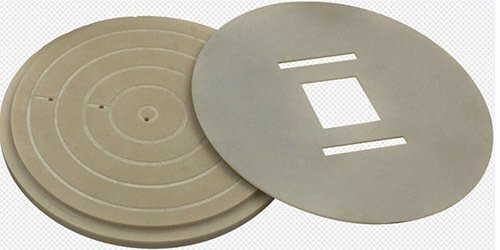
In the process of use, kiln furniture is generally thinned to reduce heat storage and save energy, but it also needs to have a certain load-bearing capacity, so kiln   furniture needs to have high room temperature and high temperature strength; The rapid firing process of ceramics requires kiln furniture to have better thermal shock resistance; For electronic ceramics, in order to prevent product contamination, it is required that the kiln furniture have good chemical stability; Modern industry requires kiln furniture to have precise dimensions during mechanical operation to ensure normal production.

1、 Structural kiln furniture

Structural kiln furniture is an important component of industrial kilns. When in service, the temperature inside the furnace is high, and it is directly in contact with gas flames or radiated by heating elements for heat transfer. It usually bears more weight than itself, or even several times its weight without deformation or fracture. This requires it to have a certain degree of high-temperature mechanical strength and good thermal shock stability. In this type of kiln furniture, the main types are shed boards (beams and columns are usually used in conjunction with shed boards, represented by shed boards), push boards, and roller bars, with a large market capacity.

The application of pusher plate kilns in the ceramic industry is relatively common, with pusher plates being its basic accessory material. Usually, the performance of pusher plates determines the operational efficiency of the kiln. When the pusher kiln is running, it is required to withstand the load of the ceramic body or saggers, huge jacking force, and frictional resistance with the track without fracture at high temperatures. The cold and hot cycle service life can reach dozens or even hundreds of times. Therefore, the pusher kiln must have high room temperature, high temperature strength, wear resistance, and excellent thermal shock stability.

Traditional refractory materials such as corundum and mullite have many advantages, such as high load softening temperature and good creep resistance. However, pure corundum products have less ideal thermal shock resistance due to their high thermal expansion coefficient. The thermal expansion coefficient of mullite material is significantly lower than that of corundum, and it can be used as a secondary crystal or bonding phase in products. Therefore, corundum mullite based pusher plates combine the properties of both materials, especially the significantly improved thermal shock resistance compared to corundum based products. When used in pusher plate kilns for firing high-temperature ceramic materials, their service life can reach over 100 times.

Kiln uses the rotation of the rod to transport the billet, gradually completing the sintering process through preheating, sintering and cooling each belt. The advantages of a roller kiln are that the temperature inside the kiln is evenly heated up and down by the stick, the product firing cycle is short, and the fuel consumption is low. Ceramic rollers are key components of roller kilns and require a significant amount of consumption. It plays a load-bearing and transmission role in the continuous high-temperature firing of products. When used, it must not only be resistant to high temperature, but also have the characteristics of resisting high-temperature creep during long-term rotation. Ceramic rollers are mainly made of corundum, aluminosilicate, fused silica and silicon carbide. The materials of the silicon carbide roller rod include recrystallized crystal and reaction sintered silicon carbide.

2、 Sintered vessels (saggar, crucible, plate)

A specialized kiln tool that supports the firing of ceramic bodies, or a saggers that holds powders (such as positive electrode materials, magnetic powders, high-purity ceramic materials, etc.) and then undergoes heat treatment in roller kilns, pusher plate kilns, and tunnel kilns. Depending on the firing process used by the manufacturer, this type of kiln tool will withstand different heating conditions. The material of this type of product depends on the type of sintered body and the heat treatment process.

Contains powders (lithium battery positive electrode materials, magnetic powders, high-purity ceramic powders) and undergoes heat treatment in a roller kiln, pusher plate kiln, or tunnel kiln. It is generally formed using extrusion, machine pressing, pouring, and isostatic pressing processes, and suitable forming processes are selected based on the composition and structure of the product. The most widely used materials include cordierite mullite, corundum mullite, silicon carbide, and graphite, with lithium ion cathode materials being the most commonly used in the synthesis field.

Cordierite mullite saggers is widely used in the field of positive electrode materials for lithium batteries due to its excellent thermal shock resistance and economy.

The cordierite mullite crucible is based on lithium carbonate/lithium hydroxide, which has strong alkalinity, low melting point, and strong corrosiveness to acidic refractory materials. The lifespan of aluminum silicon based saggers is generally lower. Corundum based saggar is mainly used for the calcination of high-purity powders in environments with low thermal shock conditions and high operating temperatures, such as high-purity aluminum oxide powder. The saggar needs to be fired at a high temperature of 1800 ℃, and is produced using aluminum oxide active powder with 99.9wt% Al2O3 content and low sodium white corundum. The binder uses low ash content (Ash ≤ 0.01wt%) to ensure effective impurity control in the entire raw material control, And achieve a lower coefficient of thermal expansion through sufficient high-temperature firing.

Graphite and silicon carbide saggers have high thermal conductivity, high temperature resistance, excellent thermal shock resistance, and poor oxidation resistance. However, they have excellent alkali corrosion resistance in reducing atmospheres. Graphite saggerss are commonly used as containers for loading high-temperature sintered materials under reducing atmosphere, and are used for sintering lithium iron phosphate and electromagnetic materials. Traditional graphite saggerss= are produced through machining, with low efficiency and high cost. Silicon carbide saggers are widely used in industries such as pharmaceuticals, fine chemicals, engineering metallurgy, and acid pickling.

When the setter/ceramic plate is in service, it needs to withstand the thrust during movement and the friction during product loading and unloading. It does not crack during cold and hot cycling. Under the condition that the thermal shock resistance of the setter/ceramic plate meets the requirements, improving the bending and cracking resistance of the setter/ceramic plate is the key. The material of the fired board requires excellent chemical inertness and does not react with the fired product. The materials of the setter/ceramic plate are divided into aluminum oxide, zirconia, composite, etc., mainly used in the fields of electronic ceramics, special ceramics, etc.

Corundum fired plate refers to the main crystal phase α- The high-end kiln furniture of Al2O3 has excellent properties such as high strength, corrosion resistance, high temperature resistance, and wear resistance. It has small deformation at high temperatures (>1650 ℃), but high sintering temperature and poor thermal shock stability. During the firing process of lead zirconate titanate piezoelectric ceramics, the corundum based firing plate faces phenomena such as center warping, surface layer powdering, and peeling.

Many kiln furniture production enterprises apply plasma spraying technology to the preparation process of fired plates, where the intermediate layer of the fired plates is made of corundum mullite material and the outer layer is coated with zirconia fusion coating, which has high thermal shock resistance and does not react or adhere to the fired laminated ceramic capacitors.


Fearless of electric corrosion damage, ceramic bearings are highly sought after!

Ceramic bearings are a type of ceramic material that utilizes excellent insulation properties, and are a wonderful combination of new processes, materials, and structures in the bearing industry. By using a special process to make the entire bearing, the ceramic part of the bearing will block the passage of shaft current through the bearing, thereby endowing it with insulation characteristics. Ceramic bearings are divided into full ceramic bearings and hybrid ceramic bearings.

1. Ceramic bearings: stronger, lighter, faster

Hybrid ceramic bearings are generally made of ceramic materials for rolling elements, and bearing rings are made of bearing steel; Generally used in high-speed, insulation, lean oil lubrication, and other applications. All ceramic bearings are made of ceramic materials for both the rolling element and the ring; Generally used in high temperature, corrosion, anti magnetic, insulation and other occasions.


2. Zirconia ceramic bearings


Zirconia ceramic bearings are white in color. The general practice is to use zirconia for the inner and outer rings and balls, PTFE for the cage (i.e. Teflon), or nylon. This combination can withstand temperatures up to 240 degrees Celsius. However, if the temperature resistance is required to exceed 240 degrees Celsius to 400 degrees Celsius, it is necessary to use zirconia to fill the ball (i.e., without the cage, the entire ball is made of zirconia), This way, it can withstand temperatures of around 400 degrees.

3. Silicon nitride ceramic bearings

Silicon nitride ceramic bearings are black in color. The general practice is to use silicon nitride for the inner and outer rings and balls, PTFE (i.e. Teflon) for the cage, or nylon. If combined in this way, the temperature resistance should not exceed 240 degrees (because PTFE itself is nylon, the temperature resistance of the product with this material would not exceed 240 degrees).

But if the temperature resistance is required to be very high and exceed 400 degrees Celsius (zirconia full ball can be selected for temperatures between 240 degrees Celsius and 400 degrees Celsius), silicon nitride full ball should be selected, and the maximum temperature resistance of silicon nitride full ball can be 1200 degrees Celsius. Moreover, the corrosion resistance and wear resistance of silicon nitride are much better than those of zirconia, but the price of silicon nitride is relatively expensive, much higher than that of zirconia.

With the continuous progress of processing technology and the increasing level of technology, the cost of ceramic bearings continues to decrease,In the fields of aerospace, navigation, nuclear industry, petroleum, chemical industry, light textile industry, machinery, metallurgy, electricity, new energy, food, locomotives, subways, high-speed machine tools, and scientific research, national defense and military technology, it is necessary to work under special working conditions such as high temperature, high speed, deep cold, flammable, explosive, strong corrosion, real air, electrical insulation, non magnetic, dry friction, and easy to rust, The indispensable substitute role of ceramic bearings is gradually being recognized by people.


AI computing power demand opens up incremental space for electronic ceramic shells!

As the AI market gradually spreads upstream, in addition to the servers and optical modules recognized by the market, some indirectly benefiting materials and equipment on the infrastructure end have gained attention, with electronic ceramic shells being one of them.

Long distance transmission of optical communication requires airtight packaging, and electronic ceramic casing is the preferred material for airtight packaging. It is packaged with multi-layer ceramic insulators and adopts a multi-layer co fired ceramic insulation structure to provide electrical signal transmission channels and optical coupling interfaces for devices, provide mechanical support and airtight protection, and solve the interconnection between chips and external circuits.

According to Markets&Markets statistics, the global electronic ceramic market space is expected to grow to 226.4 billion yuan in 2025, with a CAGR of 5.4% from 2021 to 2025. The overall demand for electronic ceramic components is on the rise and development stage.

Global Electronic Ceramic Market Size (100 million yuan) (Data Source: Markets&Markets)

The optical module can be paired with an AI server in data transmission, which is an essential transmission hardware for current large-scale model training and inference. It directly benefits from the surge in AI demand, and the electronic ceramic shell is an essential component of the optical module. AI computing power needs to open up its incremental space. At present, in the optical module market, the main electronic ceramic products used include ceramic shells and covers, bases and carriers, accounting for about 10% of the optical module market size. It is estimated that by 2026, the global market size of ceramic shells for optical devices will be about 1.45 billion US dollars, with broad market prospects.

The optical communication device shell business can be used to package a full range of optical communication devices such as TOSA, ROSA, ICR, WSS, etc., with transmission rates ranging from 2.5Gbps to 800Gbps, and is applied in scenarios such as fiber backbone networks, metropolitan area networks, broadband access, CATV, Internet of Things, and data centers.

According to Lightcounting statistics, the global optical module market size in 2021 was 7.37 billion US dollars. It is expected that with the rapid development of data communication in the coming years, the optical module market will enter a period of rapid growth. By 2025, the global optical module market size is expected to reach 11.32 billion US dollars, with a CAGR of about 11%.


Ceramic microbeads for sandblasting – economical and efficient

A full-scale surface treatment ceramic sandblasting medium (ceramic sand, ceramic beads, or simply sandblasting, shot peening) mainly composed of zirconia is a solution for surface cleaning, strengthening, and polishing. In addition to effectively improving the fatigue life of metal parts, it can also be used to clean dirt on workpieces. This technology is used in almost all fields that use metal materials, including aerospace, automotive, construction, casting, etc Shipbuilding and railways, etc.

Sandblasting refers to natural or artificial granular materials with cleaning ability that obtain a certain amount of kinetic energy under the driving force of compressed air or water jet. It is necessary to have a detailed understanding of the characteristics of the cleaning object, while taking into account factors such as the pollution status of the workpiece surface, the environmental conditions in which the workpiece is located, and the cleaning requirements for the substrate surface, and to choose a suitable abrasive for shot peening.

During the cleaning process, the selected ceramic sandblasting media are generally silicon carbide and aluminum oxide non-metallic abrasives, with aluminum oxide abrasives being the most commonly used. When selecting alumina based abrasives with different compositions, particle sizes, and shapes for cleaning, surfaces with different roughness can be generated to meet different coating surface requirements. When other conditions are the same, the surface roughness generated increases with the increase of abrasive particle size. Due to differences in the shape and hardness of abrasives, different types of abrasives can also have a certain impact on surface roughness. There are two types of abrasive shapes: spherical and granular. Spherical abrasives are more suitable for surface treatment of materials, improving the distribution of residual compressive stress on the surface, and extending the service life of workpieces; Granular abrasives have sharp edges and stronger cleaning ability, but after removing dirt, they are easy to scratch the workpiece material, resulting in cracks and affecting surface quality.

When selecting the abrasive particle size, it is also important to note that if the abrasive particle size is too large, if it is larger than the size of the concave hole on the workpiece surface, it will be difficult to remove debris from the concave hole, resulting in a decrease in cleaning efficiency; When the particle size is chosen small, the cleaning ability of the abrasive is limited, which will also reduce the cleaning efficiency; If the abrasive particle size is too small, it may also affect the normal operation of the circulation system, cause pipeline blockage, and even cause damage to the water pump.

Inlabs” ceramic beads have outstanding performance in dry or wet sandblasting systems and shot blasting equipment. Relying on strict process control, Inlabs provides customers with a large number of high-quality ceramic sandblasting beads. Our research and development team can customize special shot material specifications for customers based on their specific needs.


Tips for using Pyrolytic Boron Nitride Crucibles

Pyrolysis boron nitride (PBN) crucible has the advantages of high temperature resistance, high mechanical strength, high purity, and is in contact with acids, bases, and salts without chemical reactions. It has significant anisotropy in mechanical, thermal, and electrical properties, and also has excellent microwave and infrared transmittance.

When using a pyrolysis boron nitride crucible, precautions should be taken:

1. Boron nitride is prone to moisture, and crucibles should not be stored in damp areas and should not be washed with water. Before use, it must be slowly baked to 500 degrees Celsius before use. It can be directly wiped with sandpaper or wiped with alcohol.

2.When removing the molten metal material, it is best to use a spoon to scoop it out and avoid using calipers as much as possible. If using calipers or other tools, they should match the shape of the crucible to prevent some parts from bearing too much force and shorten the service life.

3. The service life of the crucible is related to its usage, and it should be avoided as much as possible to directly spray strong oxidation flames onto the crucible, which can lead to the oxidation of the crucible raw materials and shorten their lifespan.

4. The material should be loaded according to the capacity of the crucible and should not be squeezed too tightly to prevent thermal expansion and cracking of the metal material in the crucible.

5. The temperature used in the air should not exceed 1000 degrees, as the contact surface between boron nitride and oxygen will be oxidized and peeled off.


Zirconia Grinding Balls: The Secret of Nanoscale Ultrafine Grinding of Battery Materials

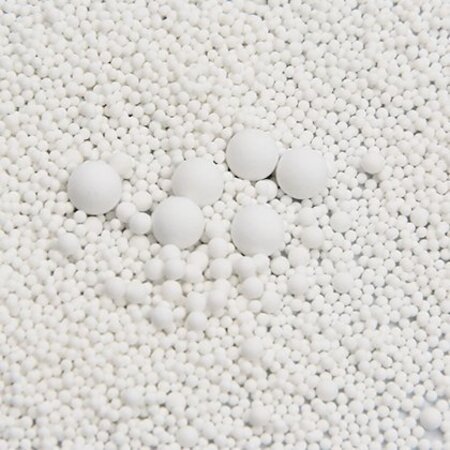
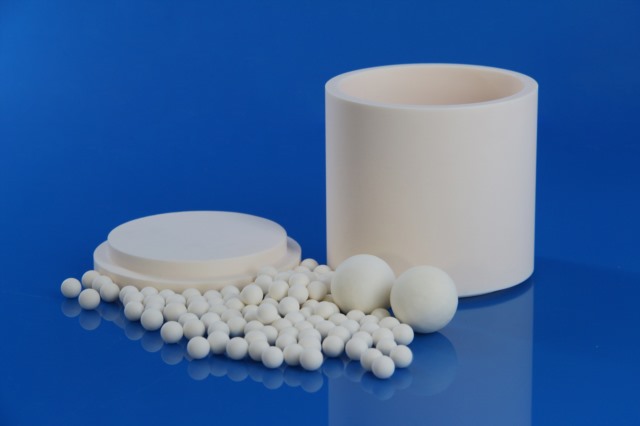
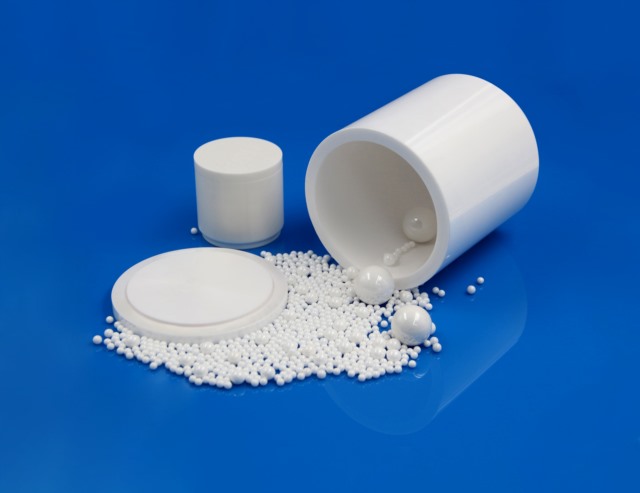
As a representative of the latest generation of nano battery materials, zirconia grinding beads have advantages such as high density, high strength, good wear resistance, and long service life, which can achieve nano level ultrafine grinding and dispersion of new energy battery materials.

Lithium compounds in lithium batteries have specific requirements for particle size distribution, so it is necessary to use nanoscale battery materials to improve battery performance. As a representative of the latest generation of nano battery materials, zirconia grinding beads have advantages such as high density, high strength, good wear resistance, and long service life, which can achieve nano level ultrafine grinding and dispersion of new energy battery materials.

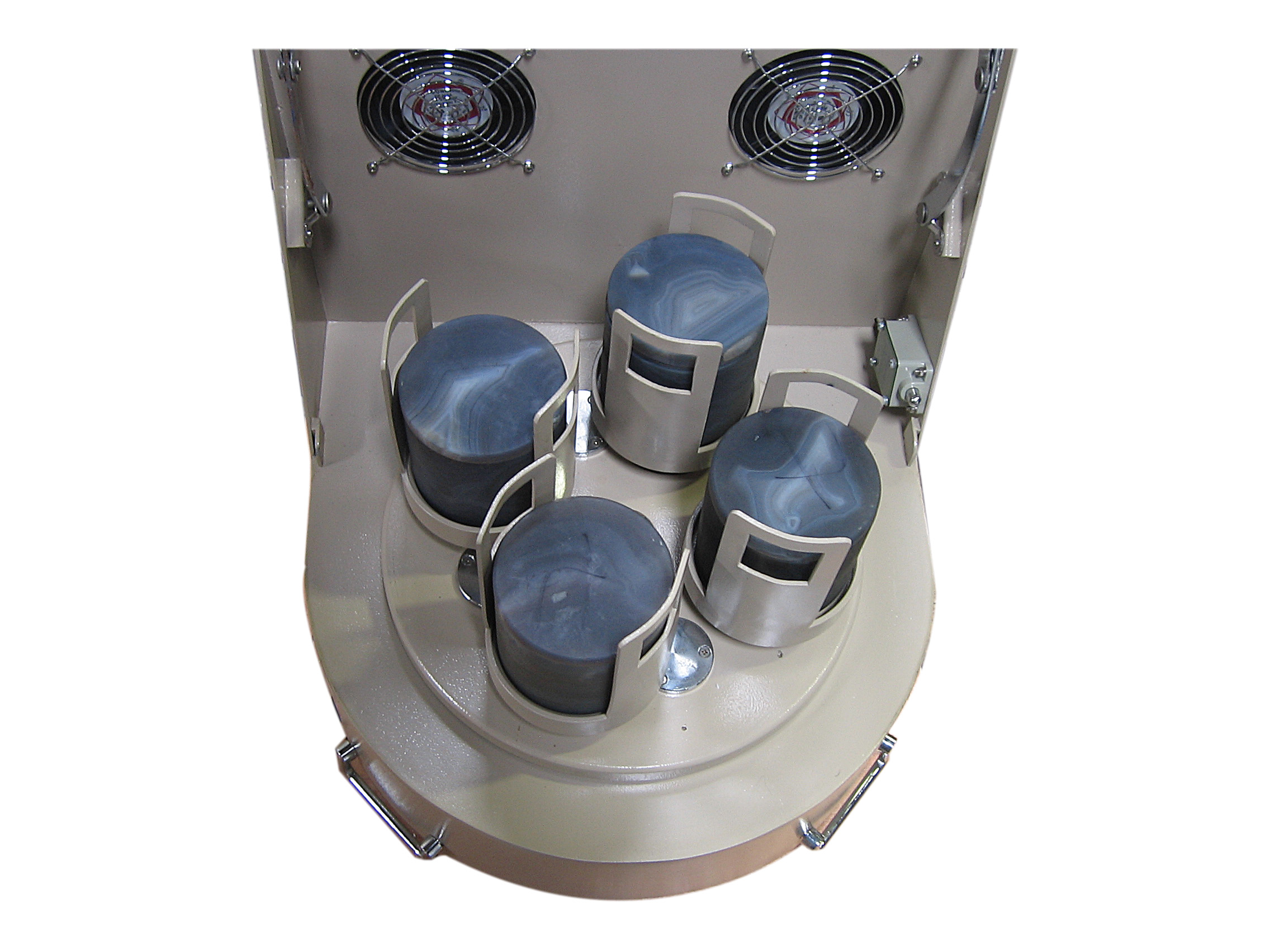
The grinding principle of zirconia grinding balls is that the zirconia grinding balls collide and shear the battery material particles under the driving force of the sand mill, thereby achieving the effect of reducing particle fineness. They have distinct characteristics in the grinding application of positive and negative electrode materials.

The application of zirconia grinding balls in positive electrode materials is mainly made of lithium iron phosphate material, while the negative electrode is mainly made of silicon carbon negative electrode. The target fineness of the two is greatly different: the former is worth noting that both lithium iron phosphate and silicon carbon negative electrode materials have a common feature of using a rod pin sander for grinding.

The rod pin sand mill has a high linear speed and a large amount of kinetic energy transmitted to grind zirconia grinding media balls, making it suitable for efficient grinding of battery materials; At the same time, higher requirements have been put forward for the performance of zirconia grinding balls used in it, requiring good wear resistance and less prone to breakage.


From the sky to the land, the four major fields of silicon nitride ceramics fulfill their mission

The Origin and Development of Silicon Nitride Ceramics

Silicon nitride (Si3N4) is a covalent bond compound composed of silicon and nitrogen. It was discovered in 1857, but some scholars, especially German researchers, did not fully agree with its chemical composition. Later, a large amount of research confirmed the correctness of this chemical formula, which has been widely cited until now.

Next, we will introduce the important applications of silicon nitride ceramics from four fields.

The soul of No.1 rotating machinery, the carving knife of mechanical components

Silicon nitride ceramics have a wide range of applications in mechanical fields such as high-speed turning tools, bearings, engine blades, guide blades of gas turbines, and turbine blades.

Among them, bearing balls are the most widely used silicon nitride ceramic products, accounting for three tenths of the world”s high-performance silicon nitride products in annual production. Silicon nitride ceramic bearing balls have outstanding advantages compared to steel balls: low density, high temperature resistance, self-lubrication, corrosion resistance, and the same fatigue life failure mode as steel balls. As a high-speed rotating body, ceramic balls generate centrifugal stress, while the low density of silicon nitride reduces the centrifugal stress on the high-speed rotating outer ring. Dense Si3N4 ceramics also exhibit high fracture toughness, high modulus properties, and self-lubrication, which can resist various types of wear and endure harsh environments that may cause cracks, deformation, or collapse of other ceramic materials, including extreme temperatures, large temperature differences, and ultra-high vacuum. Therefore, silicon nitride ceramic bearing balls can be widely used in fields such as precision bearings for machine tools, automotive bearings, insulated bearings for wind turbines, corrosion-resistant and high-temperature bearings for petrochemical industry.

Especially, in addition to these excellent properties, silicon nitride bearings also have insulation properties, which can solve the problems of electrical corrosion often causing bearing surface damage, premature aging of lubricants, and abnormal noise, avoiding shortening the service life of bearings and lubricants, ultimately leading to bearing failure. They are very suitable for applications in fields such as electric vehicles.

Another classic application of silicon nitride ceramics in the mechanical field is high-speed cutting tools.

NO.2 wear-resistant and corrosion-resistant field, very resistant to beating

Silicon nitride ceramics have excellent corrosion resistance and wear resistance. Their excellent creep resistance, oxidation resistance, and low thermal expansion enable silicon nitride ceramics to meet the harsh conditions of application. In addition to bearings and cutting tools, the wear-resistant and sealing components of silicon nitride ceramic materials can also be applied in many harsh environments. The silicon nitride ceramic prepared by the hot pressing process in Saint Gobain, France has good high-temperature strength, corrosion resistance, and creep resistance. It is an ideal sealing surface material in the nuclear industry and can be applied to boiler reactor water pumps, pressure water reactor water pumps, and corrosive boric acid water treatment, It can also be applied to rotating components such as compressors, engines, generators, motors, and turbines.

In addition, silicon nitride also holds a place in the field of ultrafine grinding. Silicon nitride has high hardness, second only to a few superhard materials such as diamond and cubic boron nitride, and has low friction coefficient and self-lubricating properties. In the ultra-fine powder and food processing industries, the performance of silicon nitride ceramic grinding balls is higher in hardness and superior in wear resistance compared to traditional grinding balls.

NO.3 Aerospace field, very reliable in harsh environments

Silicon nitride ceramic materials have advantages such as high strength, high temperature resistance, and good chemical stability, which can meet the stringent requirements of materials in the aerospace industry. Silicon nitride ceramics have two classic applications in the aerospace field:
firstly, silicon nitride is considered one of the few monolithic ceramic materials that can withstand severe thermal shock and thermal gradients generated by hydrogen/oxygen rocket engines, and is used in rocket engine exhaust nozzles. In 2010, the tail nozzle of Japan”s space probe Akatsuki thruster was made of silicon nitride material, and the silicon nitride tail nozzle prepared by Kyocera has been successfully applied to small aircraft and rocket engines. Compared to metal materials, silicon nitride ceramic nozzles can withstand higher combustion temperatures, allowing the thruster to obtain greater thrust. The high stability of the nozzle edges makes the jet airflow more uniform.

The second is to serve as bearings for aviation engines. In the design of aircraft engines, bearing materials and technology always account for over 90% to 95%. It can be said that bearing technology represents the ultimate speed, temperature resistance, and reliability level of the engine. Ceramic bearings, with their excellent performance, can provide important basic technical support for the development of the aviation equipment field, especially the hot isostatic pressing sintered silicon nitride ceramic bearings, which provide core technical support for the development of aerospace. After more than 50 years of research and accumulation, Si3N4 ceramic bearings have been applied in helicopter main transmissions, aviation APUs, aircraft accessory transmissions, missile engines, rocket engines, and aerospace satellites, becoming standard bearings for high-speed and high-power spindles in high-end manufacturing equipment.

NO.4 chemical and metallurgical industry, fearless of 1400 ℃ high temperature test

Silicon nitride ceramic materials have excellent chemical stability and mechanical properties, and can be used as components in thermal equipment such as crucibles, combustion nozzles, and aluminum electrolytic cell liners in the metallurgical industry. Silicon nitride ceramics have good oxidation resistance, with an oxidation resistance temperature of up to 1400 ℃. They remain stable in a dry oxidation atmosphere below 1400 ℃ and can be used at temperatures up to 1300 ℃. And silicon nitride materials can be applied in environments with rapid cooling and heating, so they also have extremely wide applications in the metallurgical industry.


Aluminum nitride: a material that has been “conquered” in the semiconductor field

Aluminum nitride is a typical third-generation semiconductor material. It has an extremely wide band gap and very large exciton binding energy, of which the band gap width is 6.2 eV, which belongs to a direct band gap semiconductor. As aluminum nitride has a variety of outstanding physical properties, such as high breakdown field strength, thermal conductivity, resistivity, etc., it has always been concerned in the semiconductor field, and is also a material that has been “conquered” in the semiconductor field.

Performance characteristics of aluminum nitride

ALN is a crystal dominated by covalent bonds and belongs to hexagonal diamond-like nitride. Its theoretical density is 3.26g/cm3, and its Mohs hardness is 7~8. It has high strength at room temperature, and its strength will decline slowly with the increase of temperature.

Compared with several other ceramic materials, aluminum nitride has excellent comprehensive properties, especially its excellent thermal conductivity, which is very suitable for semiconductor substrates and structural packaging materials, and has great application potential in the electronic industry.

Application of aluminum nitride in semiconductor field:

1. Ceramic packaging substrate

Ceramic packaging substrate With the vigorous development of microelectronics and semiconductor technology, motors and electronic components step into the era of miniaturization, lightweight, high energy density and high power output. The heat flow density of electronic substrate has increased significantly, and maintaining a stable operating environment inside the equipment has become a technical problem that needs to be focused on. ALN ceramic is considered as an ideal material for new generation heat dissipation substrate and electronic device packaging because of its high thermal conductivity, thermal expansion coefficient close to silicon, high mechanical strength, good chemical stability, environmental protection and non-toxic characteristics.

Compared with Al2O3 ceramic substrate and Si3N4 ceramic substrate, ALN ceramic substrate has these advantages: using ALN ceramic substrate as the carrier of the chip can isolate the chip from the module heat dissipation backplane, the ALN ceramic layer in the middle of the substrate can effectively improve the insulation capacity of the module (ceramic layer insulation withstand voltage>2.5KV), and aluminum nitride ceramic substrate has good thermal conductivity, and the thermal conductivity can reach 170-260W/mK. In addition, the expansion coefficient of ALN ceramic substrate is similar to that of silicon, which will not cause stress damage to the chip. The peel resistance of aluminum nitride ceramic substrate is>20N/mm2, which has excellent mechanical properties, corrosion resistance, is not easy to deform, and can be used in a wide temperature range.

2. Semiconductor equipment components

The semiconductor equipment parts are very important for the heat dissipation of the silicon wafer in the semiconductor processing. If the uniform temperature of the silicon wafer surface cannot be guaranteed, the uniformity of the processing will not be ensured during the processing of the silicon wafer, and the processing accuracy will also be affected.

The advantages of using aluminum nitride as the main material for the aluminum nitride electrostatic chuck are that: a wide range of temperature range and sufficient adsorption force can be obtained by controlling its volume resistivity, and the electrostatic chuck can achieve good temperature uniformity through the high degree of freedom heater design; The aluminum nitride is formed through integrated co firing, which will not cause lasting changes due to electrode degradation, and will ensure the product quality to the maximum extent; Lasting operation in plasma halogen vacuum atmosphere to withstand the most demanding process environment of semiconductor and microelectronics, it can also provide stable adsorption and temperature control.

3. High temperature structural materials

Aluminum nitride ceramics have good corrosion resistance, stability and insulation at room temperature and high temperature. It will decompose at 2450 ℃. It can be used as high-temperature refractory materials, such as crucibles and casting molds. Aluminum nitride ceramics can not be wetted by copper, aluminum, silver and other substances, and can resist the corrosion of aluminum, iron, and aluminum alloys. It can become a good container and high-temperature protective layer, such as thermocouple protective tubes and sintering appliances; It can also resist the erosion of high-temperature corrosive gas, and is used to prepare aluminum nitride ceramic electrostatic chuck, which is an important high-end component of semiconductor manufacturing equipment. As aluminum nitride is stable to molten salts such as gallium arsenide, such as aluminum nitride crucibles, thermocouple protection tubes and sintering appliances, it can also be used as containers and processors for corrosive substances instead of glass to synthesize gallium arsenide semiconductors, which can eliminate silicon pollution from glass and obtain high-purity gallium arsenide semiconductors. The aluminum nitride is very stable under the non oxidizing atmosphere until 2000 ℃, so it can be used as the aggregate of refractories used under the non oxidizing atmosphere.


Inquire

Inquire

Want to learn more?
X

    Let us help you find the right product for your application,

    We will reply you in 24 hours.