top

Aluminum nitride: a material that has been “conquered” in the semiconductor field

Aluminum nitride is a typical third-generation semiconductor material. It has an extremely wide band gap and very large exciton binding energy, of which the band gap width is 6.2 eV, which belongs to a direct band gap semiconductor. As aluminum nitride has a variety of outstanding physical properties, such as high breakdown field strength, thermal conductivity, resistivity, etc., it has always been concerned in the semiconductor field, and is also a material that has been “conquered” in the semiconductor field.

Performance characteristics of aluminum nitride

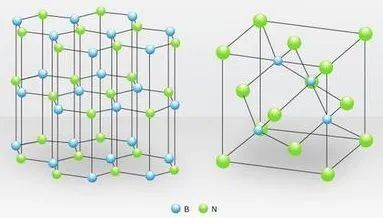
ALN is a crystal dominated by covalent bonds and belongs to hexagonal diamond-like nitride. Its theoretical density is 3.26g/cm3, and its Mohs hardness is 7~8. It has high strength at room temperature, and its strength will decline slowly with the increase of temperature.
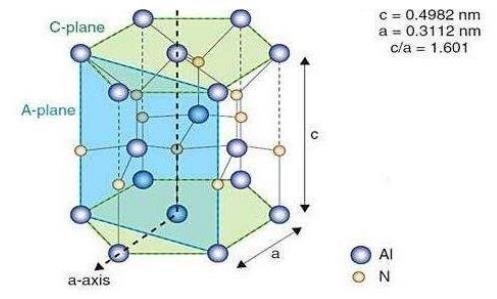
Compared with several other ceramic materials, aluminum nitride has excellent comprehensive properties, especially its excellent thermal conductivity, which is very suitable for semiconductor substrates and structural packaging materials, and has great application potential in the electronic industry.

Application of aluminum nitride in semiconductor field:

1. Ceramic packaging substrate

Ceramic packaging substrate With the vigorous development of microelectronics and semiconductor technology, motors and electronic components step into the era of miniaturization, lightweight, high energy density and high power output. The heat flow density of electronic substrate has increased significantly, and maintaining a stable operating environment inside the equipment has become a technical problem that needs to be focused on. ALN ceramic is considered as an ideal material for new generation heat dissipation substrate and electronic device packaging because of its high thermal conductivity, thermal expansion coefficient close to silicon, high mechanical strength, good chemical stability, environmental protection and non-toxic characteristics.
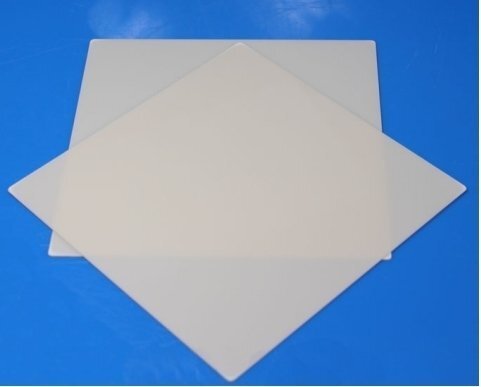
Compared with Al2O3 ceramic substrate and Si3N4 ceramic substrate, ALN ceramic substrate has these advantages: using ALN ceramic substrate as the carrier of the chip can isolate the chip from the module heat dissipation backplane, the ALN ceramic layer in the middle of the substrate can effectively improve the insulation capacity of the module (ceramic layer insulation withstand voltage>2.5KV), and aluminum nitride ceramic substrate has good thermal conductivity, and the thermal conductivity can reach 170-260W/mK. In addition, the expansion coefficient of ALN ceramic substrate is similar to that of silicon, which will not cause stress damage to the chip. The peel resistance of aluminum nitride ceramic substrate is>20N/mm2, which has excellent mechanical properties, corrosion resistance, is not easy to deform, and can be used in a wide temperature range.

2. Semiconductor equipment components

The semiconductor equipment parts are very important for the heat dissipation of the silicon wafer in the semiconductor processing. If the uniform temperature of the silicon wafer surface cannot be guaranteed, the uniformity of the processing will not be ensured during the processing of the silicon wafer, and the processing accuracy will also be affected.

The advantages of using aluminum nitride as the main material for the aluminum nitride electrostatic chuck are that: a wide range of temperature range and sufficient adsorption force can be obtained by controlling its volume resistivity, and the electrostatic chuck can achieve good temperature uniformity through the high degree of freedom heater design; The aluminum nitride is formed through integrated co firing, which will not cause lasting changes due to electrode degradation, and will ensure the product quality to the maximum extent; Lasting operation in plasma halogen vacuum atmosphere to withstand the most demanding process environment of semiconductor and microelectronics, it can also provide stable adsorption and temperature control.

3. High temperature structural materials

Aluminum nitride ceramics have good corrosion resistance, stability and insulation at room temperature and high temperature. It will decompose at 2450 ℃. It can be used as high-temperature refractory materials, such as crucibles and casting molds. Aluminum nitride ceramics can not be wetted by copper, aluminum, silver and other substances, and can resist the corrosion of aluminum, iron, and aluminum alloys. It can become a good container and high-temperature protective layer, such as thermocouple protective tubes and sintering appliances; It can also resist the erosion of high-temperature corrosive gas, and is used to prepare aluminum nitride ceramic electrostatic chuck, which is an important high-end component of semiconductor manufacturing equipment. As aluminum nitride is stable to molten salts such as gallium arsenide, such as aluminum nitride crucibles, thermocouple protection tubes and sintering appliances, it can also be used as containers and processors for corrosive substances instead of glass to synthesize gallium arsenide semiconductors, which can eliminate silicon pollution from glass and obtain high-purity gallium arsenide semiconductors. The aluminum nitride is very stable under the non oxidizing atmosphere until 2000 ℃, so it can be used as the aggregate of refractories used under the non oxidizing atmosphere.
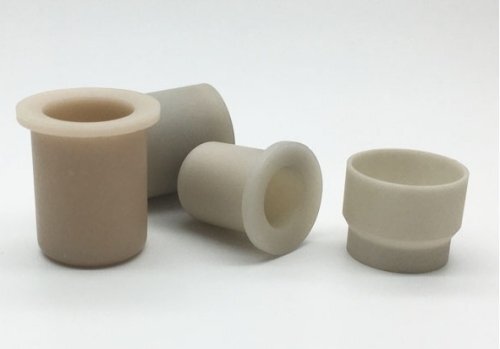

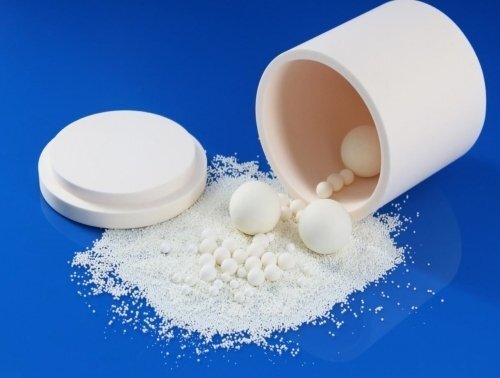
Why is the grinding efficiency of the ceramic grinding bowl on a planetary ball mill higher than that of a common grinding machine

The reason why ceramic ball mills on planetary ball mills perform well in terms of grinding efficiency is closely related to their unique structure and working principles.

The main reasons:

1.Multidimensional motion: The planetary ball mill uses grinding balls fixed to a turntable to cause complex, multidimensional movements inside the mill bowl when they are subjected to rotating and autorotating motion at various speeds. This multidimensional movement not only enables more uniform mixing of the grinding medium and samples, but also enables more efficient collisions and milling processes, thus increasing grinding efficiency.

2.High collision energy: The collision energy between balls and between balls and samples in planetary ball mill cylinder is higher, as the combination of multidimensional motion and high speed rotation, larger impact and shear forces are produced, which can accelerate grinding and mixing processes and improve grinding efficiency.

3.Small sample particle size: Planetary ball mills are suitable for grinding small particle samples, because with multiple dimensions of movement, small particles are able to undergo more substantial impaction and milling to reach the required fineness level of polishing.


How can ceramic alumina balls improve grinding performance in ball mills

Ball mills are used to grind botanical (or other) material to a desired particle size. The particles can then be used in later processing.

Industrial-grade efficiency and consistency are the key advantages of a bill mill or ball grinder. Even a novice end user can use a ball grinder to quickly output material at the chosen particle size.

Ceramic alumina grinding balls is characterized by high hardness, high density, low wear, good regularity and corrosion resistance. It is ideal and efficient grinding medium for grinding glaze, blank and various mineral powders.

The Advantages of Ceramic alumina grinding balls in Ball Mills:

1. Enhanced Grinding Efficiency

Ceramic alumina balls possess an innate ability to withstand extreme mechanical forces and maintain their structural integrity. This resilience translates to efficient grinding, as the balls effectively break down particles, ensuring thorough comminution and reducing processing times.

2. Reduced Contamination

In industries where purity is paramount, such as pharmaceuticals and advanced ceramics, ceramic alumina balls shine. Their chemical inertness minimizes the risk of cross-contamination, ensuring that your materials maintain their integrity throughout the milling process.

3. Extended Lifespan

Thanks to their remarkable wear resistance, ceramic alumina balls exhibit prolonged lifespan even under harsh milling conditions. This longevity translates to cost savings and reduced downtime for ball mill maintenance and replacements.


BN crucible, an essential production component in the semiconductor industry

Boron Nitride is an advanced ceramic material with broad application prospects. It is a crystal composed of nitrogen and boron atoms, with a chemical composition of 43.6% boron and 56.4% nitrogen. It has four different variants: hexagonal boron nitride (HBN), cubic boron nitride (CBN), rhombic boron nitride (RBN), and wurtzite boron nitride (WBN).

Due to the fact that boron nitride material has a thermal expansion coefficient comparable to quartz, but a thermal conductivity that is 10 times that of the latter, it has excellent thermal shock resistance and can reduce the risk of cracking due to rapid temperature changes. It can be cycled several times at 20-1200 ℃ without any problem. In addition, boron nitride does not react with acids, alkalis, glass, and most metals, and has low mechanical strength, only slightly higher than graphite. However, there is no load softening phenomenon at high temperatures, and it can be processed by general metal processing machines. Therefore, it is indeed suitable for use as crucibles, vessels, liquid metal conveying pipes, and molds for casting steel for melting and evaporating metals.

Boron nitride can be used to manufacture crucibles for melting semiconductors, high-temperature vessels for metallurgy, semiconductor heat dissipation insulation parts, high-temperature bearings, thermocouple sleeves, and glass forming molds.

Currently, there are two types of boron nitride crucibles on the market:

1. PBN crucible

Usually, boron containing gas (BCl3 or B2H6) is used as the raw material and produced by chemical vapor deposition method. However, due to the high toxicity of B2H6, BCl3 is currently mostly used as the raw material. The boron containing gas undergoes pyrolysis (1500-1800 ℃) and reacts with NH3 in a high-temperature reaction chamber to form boron nitride solid. The chemical equation is as follows. Because pyrolysis reactions occur during the reaction, it is also known as a boron nitride crucible for pyrolysis (commonly known as a PBN crucible).

BCl3+NH3=BN+HCl

The growth process of PBN materials is similar to “falling snow”, where hexagonal BN flakes grown during the reaction continuously pile up on the heated graphite matrix (core mold). As time goes on, the stacking layer thickens, forming the shell of PBN. After demolding, it becomes an independent and pure PBN component, and when left on top of it, it becomes a PBN coating.

Due to the fact that PBN crucibles do not need to undergo traditional hot pressing sintering processes and do not require the addition of any sintering agents, they have a high purity (over 99.99%) and can be used at temperatures up to 1800 degrees Celsius under vacuum, with a maximum temperature of 2100 ℃ under atmosphere protection (usually using nitrogen or argon gas). They are mostly used for vapor deposition/molecular beam epitaxy (MBE)/GaAs long crystals and other purposes. In addition, due to the slow deposition rate, PBN crucibles are quite expensive (mostly small-sized crucibles).

2. Sintered BN crucible

The sintered BN crucible is made from hexagonal boron nitride and sintering aids (Y2O3, etc.) as raw materials. After forming, it is produced by high-temperature sintering, and also has good heat resistance, thermal stability, thermal conductivity, and high-temperature dielectric strength, which can resist the erosion of most molten metals.

However, due to the presence of sintering aids (1-6wt%) in the sintered BN crucible, its purity is not as high as that of PBN crucible. However, the price is relatively much cheaper and suitable for making large-sized crucibles, which can be used in inert gases such as argon or nitrogen at a maximum temperature of 2800 ℃; The stability in oxygen is poor and can only be used below 900 ℃.

In summary, although boron nitride crucibles may have a higher cost, they are quite practical in specific fields due to their excellent thermal shock characteristics, corrosion resistance, lubricity, high-temperature insulation, and high-temperature non reactivity.

For example, due to the excellent chemical stability of P-BN, as well as the high-temperature insulation characteristics, high thermal conductivity, and low thermal expansion performance mentioned above, it is very suitable for use as a material in strict environmental conditions such as semiconductor manufacturing, such as gallium arsenide, gallium phosphide, and indium phosphide. Meanwhile, due to its excellent mechanical processing performance, extremely high temperature resistance, and dielectric strength, boron nitride crucibles can also be used to make insulation materials or glass fixtures for various heaters, heating tube sleeves, and high-temperature, high-frequency, and high-pressure heat dissipation materials.

Precautions for product application and use:

1. Boron nitride is prone to moisture absorption, and the crucible cannot be stored in damp areas and cannot be washed with water. It can be directly wiped with sandpaper or wiped with alcohol.

2. The temperature used in the air should not exceed 1000 degrees, and the contact surface between boron nitride and oxygen will oxidize and peel off.


Ceramic Grinding Balls Series-Zirconia Toughened Alumina

Zirconia Toughened Alumina balls are a type of ceramic grinding media commonly used in ball mills for various industrial applications. They are made by blending alumina and zirconia powders, which results in a material that combines the high hardness and wear resistance of alumina with the toughness and fracture resistance of zirconia.

Zirconia Toughened Alumina (Zirconia Toughened Alumina balls) balls have several distinct differences compared to other types of grinding balls:

1. Composition: Zirconia Toughened Alumina balls balls are made by blending alumina and zirconia powders, whereas other grinding balls may be composed of different materials such as steel, ceramic, or glass.

2. Mechanical properties: Zirconia Toughened Alumina balls balls combine the high hardness and wear resistance of alumina with the toughness and fracture resistance of zirconia. This unique combination gives Zirconia Toughened Alumina balls balls superior strength and durability compared to other grinding balls, allowing them to withstand heavy impacts and high stress conditions without breaking or chipping easily.

3. Wear resistance: Zirconia Toughened Alumina balls balls are known for their exceptional wear resistance. The alumina component provides high hardness, which helps in maintaining the shape and integrity of the balls even under abrasive conditions. This results in reduced wear on the balls themselves and the grinding equipment, leading to longer lifespan and lower maintenance costs.

4. Grinding efficiency: Due to their hardness and wear resistance, Zirconia Toughened Alumina balls balls offer improved grinding efficiency compared to other grinding media. They can effectively grind and reduce the particle size of various materials, resulting in finer and more consistent product output.

5. Contamination: Zirconia Toughened Alumina balls balls have low levels of contamination, making them suitable for applications where purity is important. Unlike steel grinding balls, they do not introduce metallic impurities to the processed material. This feature is particularly beneficial in industries such as pharmaceuticals, food processing, and electronics manufacturing.

Zirconia Toughened Alumina balls stand out from other grinding balls due to their unique composition, mechanical properties, wear resistance, grinding efficiency, low contamination levels, and customization options. These factors make them a preferred choice for various industrial grinding and milling applications.


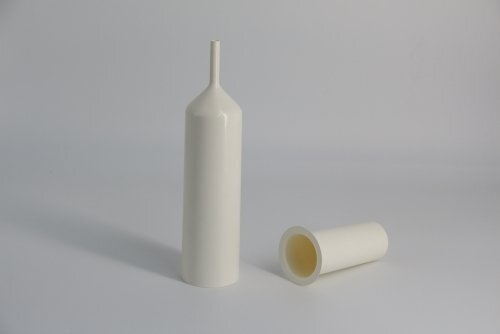
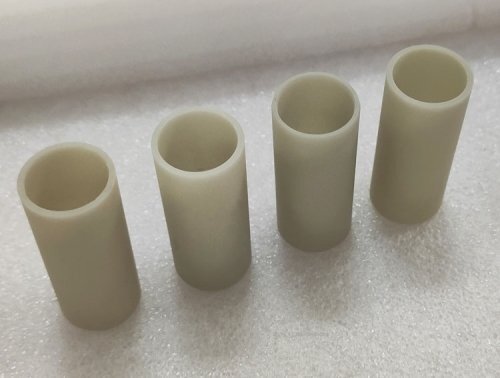
Aluminum Nitride Crucibles For Vacuum Evaporation And Metal Smelting Containers

Aluminum Nitride, represented by the formula AlN, belongs to the family of advanced technical ceramics and possesses a covalent bond with a hexagonal crystal structure. This material boasts exceptional thermal, mechanical, and electrical properties, including high thermal conductivity, low dielectric constant, high electrical resistivity, low density, and a thermal expansion coefficient that closely matches that of silicon. Its primary application is as a substrate for electronics or chip carriers, and it is also utilized, alongside PBN crucibles, in the construction of crucibles for growing GaN (gallium nitride) crystals.

Aluminum nitride crucibles demonstrate remarkable resistance to oxidation in air up to 1300°C, though oxidation initiates after 700°C. In a vacuum environment, AlN decomposes at 1800°C, while its melting point is 2200°C under inert atmosphere protection. Generally, AlN products can be safely used up to 800°C in air, 1700°C in vacuum, and 2100°C in an inert atmosphere.

These ceramics find applications as containers for vacuum evaporation and metal smelting, particularly well-suited for vacuum evaporation crucibles for aluminum. This is due to their ability to resist decomposition in a low vapor pressure vacuum, preventing aluminum contamination. In the semiconductor industry, substituting quartz crucibles with aluminum nitride crucibles for synthesizing arsenide eliminates Si pollution on GaAs, ensuring the production of high-purity products.

However, it is important to note that aluminum nitride ceramics react chemically with inorganic acids, strong bases, water, and other liquids, causing slow dissolution. Thus, they should not be directly immersed in such substances. On the contrary, these ceramics can withstand the corrosion of most molten salts, including chlorides and cryolite (Na3AlF6).

Due to the small bottom size of aluminum nitride crucibles, they are typically placed on a clay triangle during heating and should not come into direct contact with metal or wooden supports after intense heating. Furthermore, sudden cooling after heating should be avoided, and instead, the crucibles should be allowed to cool naturally on the clay triangle or gradually on asbestos gauze before handling them with a crucible tong.

Stirring the substance until nearly evaporated, then turn off the heat, and steam it with the remaining heat.


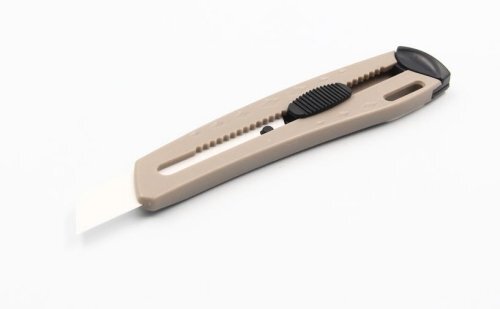
How Ceramic Utility Knives Bring Safety to the Laboratory Oratory

All Advanced utility knives Have Great Properties.

Blade will never rust. Chemically inert blade won”t react with material it”s cutting. No oil coating or maintenance required. Blade is safe up to 1600 degrees, Celsius.

Although Utility Knives  were not designed exclusively for use as Laboratory knives,  In an industrial setting, such a cut is not only debilitating, but it can hurt your company’s safety record and bottom line.

Unlike metal knives, our Utility Knives never rust. This can be especially critical when working with blood samples to perform blood typing, cross-matching, and screening processes. Rust creates pits in the metal that can retain microscopic residue of prior blood samples, even after the instrument has been cleaned. This results in an increased potential for cross-contamination of blood samples, invalidating results. Utility Knives are made from 100-percent zirconium oxide, an material that is:


Non-sparking

Non-conductive

Non-magnetic

Chemically inert

Not only do our safety blades never rust, but also they’re very easy to clean. The same engineered ceramics used in our knife blades are used in our ceramic utility knives. Cleaning these ceramics is easy.


Labware & Alumina Crucibles Lab Application | Industrial Applications

What is alumina crucible?


Crucibles are built of high-temperature resistant materials and used in chemistry labs as containers for extremely hot chemical substances. In addition, alumina is frequently utilized in ceramic form due to its strength, inexpensive cost, and capacity to tolerate temperatures of up to 1,600℃ (approx. 2,912℉)..Alumina is the most widely used Fine Ceramic today globally and epitomizes Fine Ceramics. It offers superior mechanical strength, electrical insulation, high frequency retention, thermal conductivity, heat resistance and corrosion resistance. Sapphire is a single-crystal form of alumina.

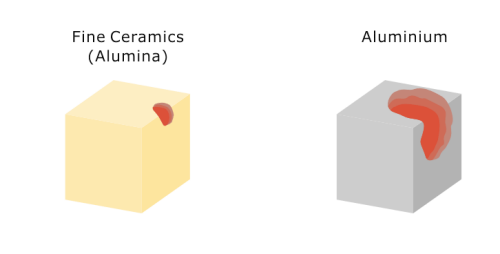
While aluminum begins to melt at approximately 660℃ (approx. 1,220℉), alumina Fine Ceramics only begin to melt or decompose at temperatures above 1,600℃ (approx. 2,912℉).

When materials are heated, their size and volume increase in small increments, in a phenomenon known as thermal expansion. Expansion values vary depending on the material being heated. The coefficient ratio of thermal expansion indicates how much a material expands per 1℃ (2.2℉) rise in temperature. Alumina fine ceramics  have low coefficients of thermal expansion — less than half those of stainless steels.

It is resistant to chemical attacks from most acids and alkaline solutions as well as hydrogen and other reducing gases, with the exception of :
High concentration hydrofluoric acid
Phosphoric acid at boiling point
Potassium hydroxide solution at boiling point
Sodium hydroxide solution
Alkali salt melt

Composition:

Al2O3 Alumina 99.7% with traces of MgO Magnesia and SiO2 Silica.
Maximum usage temperature: 1700°C
Good resistance to thermal shock
High electrical resistivity
Good mechanical resistance

Available products:

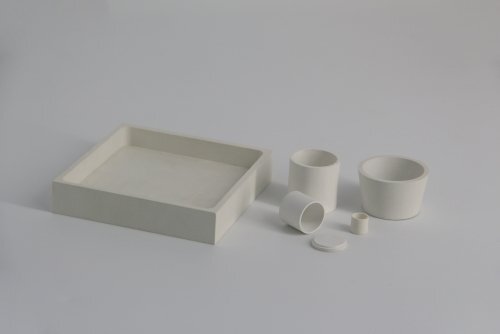
Cylindrical crucibles
Conical crucibles
Tubular crucibles
Incineration tanks
Dishes


Zirconium Yttrium stabilized Grinding Balls,ceramic ball, ceramic

What are Yttrium Stabilized Zirconia Beads?

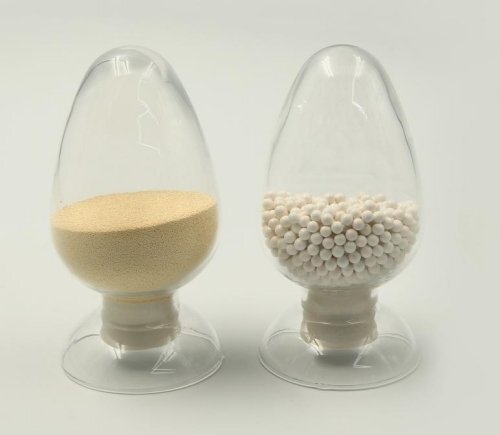
Yttrium stabilized zirconia beads are highly efficient and durable media for attrition and ball milling of ceramic materials. These zirconia beads provide a long-lasting, contamination-free solution for the ceramic grinding and milling industry.
Zirconia’s higher density compared to glass and alumina creates a high grinding efficiency and greatly reduced grinding time. The zirconia beads are perfect for use in wet grinding and high-velocity operations.


The Benefits of Yttrium Stabilized Zirconia

High density – 6.00kg/l
High wear and tear resistance, depending on the milling process – approximately 20 times better than zirconium silicate beads and about 35 times better than soda lime glass beads.
High operating time is achievable
Low contamination of the milling product, therefor usable for high-grade grinding of pigments, dyes, pharmaceutical and cosmetic prducts.
Usable for all modern types of mills and high energy mills (vertical and horizontal).
Excellent crystal structure avoids bead breakage and reduces the abrasion of mill parts.
Resistance to a lot of corrosive liquids. Smooth surface, easy cleaning because of low porousness.
Moreover, zirconia milling media’s thermal stability and ionic conductivity make them suitable for high-temperature ceramic composites and solid oxide fuel cells.


Yttrium Stabilized Zirconia Beads Applications

Colour and Paint Industry: Grinding and dispersion of coating and paint systems, e.g. car paint, corrosion protection, dip paints, industrial and structural paints, wood varnishes, coil coatings.
Ceramic Industry: Grinding and processing of electrical ceramics, e.g. barium titanate, piezo-electric ceramics, sensors, condensers.
Plant Protection: Dispersion of fungicides, herbicides, insecticides.
Cosmetics: Grinding of pigments and solids for lipstick, skin and sun protection creams.
Pharmaceutics: Nano grinding for the production of active substances and supplies substances.
Battery raw materials: Ultra fine grinding and dispersion of battery raw materials for Cathode- and Anode materials, for example Lithium-Ion-Batteries.


How to avoid crushing and excessive wear of zirconia beads?

1. The filling amount of beads shall not exceed the upper limit (85%);
2. Beads of different materials shall be selected for sand mills with different linear speeds;
3. Select beads with appropriate density for slurry with different viscosity;
4. Do not mix beads of different materials;
5. Try to use beads with uniform particle size;
6. Keep low speed when cleaning the sand mill with beads; Mechanical speed regulation adopts inching and stepless speed regulation Low speed zone is adopted (the recommended shaft speed is less than 1000rpm);
7. Regularly screen out old beads less than the lower limit;
8. Regularly check whether there are cracks or grooves at the positions of the sand mill separation device, discharge end cover and dispersion shaft the existence of equal stress concentration area.


Graphite Crucibles: Essential Tools for Melting and Casting Non-Ferrous Metals

1. What is a Graphite Crucible?


A graphite crucible is a container utilized for melting and casting non-ferrous metals like gold, silver, aluminum, and brass. Its exceptional thermal conductivity, high temperature resistance, low thermal expansion coefficient for high-temperature applications, and ability to withstand rapid heating and cooling make it an ideal tool for metal casting. Graphite crucibles are resistant to acids, alkaline solutions, and possess excellent chemical stability.

2. Applications of Graphite Crucibles

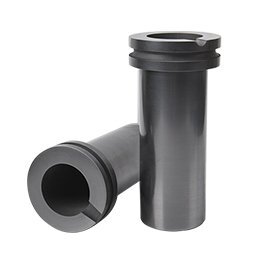
Graphite crucibles” excellent heat performance enables quick metal melting for faster production cycles. Their resistance to chemicals and corrosion ensures durability and longevity, making them unaffected by workshop conditions. Graphite crucibles come in numerous shapes, categorized by letters starting from A. Each shape is further divided based on the crucible”s inner diameter (ID), outer diameter (OD), height (H), and specific form. The illustrated crucible is cylindrical with a flat bottom and lacks a spout or lid. Graphite crucibles are employed in fuel-fired, electric, and induction furnaces, as well as for transferring and moving molten metals. They must be designed to meet the temperature, chemical, and physical requirements of the specific operation.

3. Metals Melting in Graphite Crucibles

Silver

Graphite crucibles for melting silver are similar to those used for gold melting and can withstand temperatures exceeding 2000°C or 3632°F. The crucible body is made of natural graphite, retaining its chemical and physical properties. It exhibits a low thermal coefficient and strain resistance to rapid heating or cooling at high temperatures.

Copper-based alloys melted in fuel-fired furnaces are processed using silicon carbide graphite crucibles, chosen for their thermal shock resistance.

Gold

Graphite crucibles for gold melting are made of high-grade graphite, possessing thermal shock resistance, thermal stability, oxidation resistance, and excellent mechanical strength. They are designed to endure temperatures above 2000°C or 3632°F.

Aluminum

Crucibles used for processing aluminum and its alloys range from carbon or ceramic-bonded clay graphite to silicon carbide, as these metals melt within the temperature range of 400°C or 750°F to 1600°C or 2912°F.


Inquire

Inquire

Want to learn more?
X

    Let us help you find the right product for your application,

    We will reply you in 24 hours.